Our Story
Casamance. The house of madd.
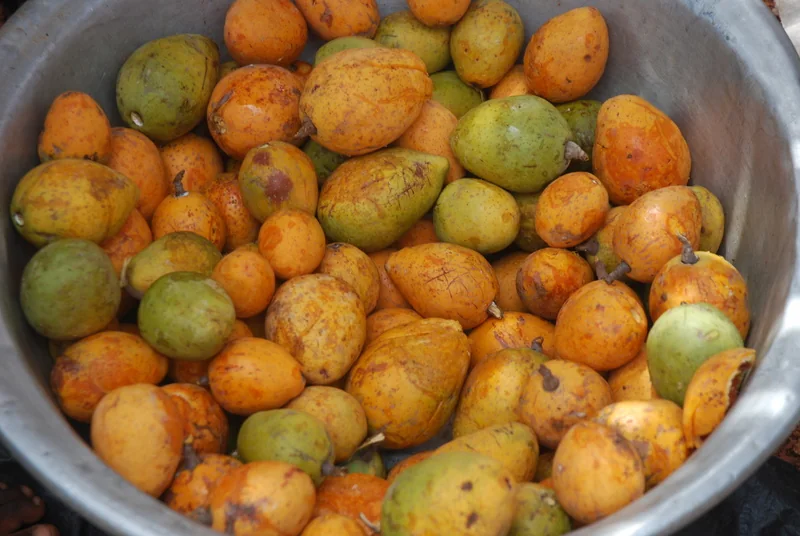
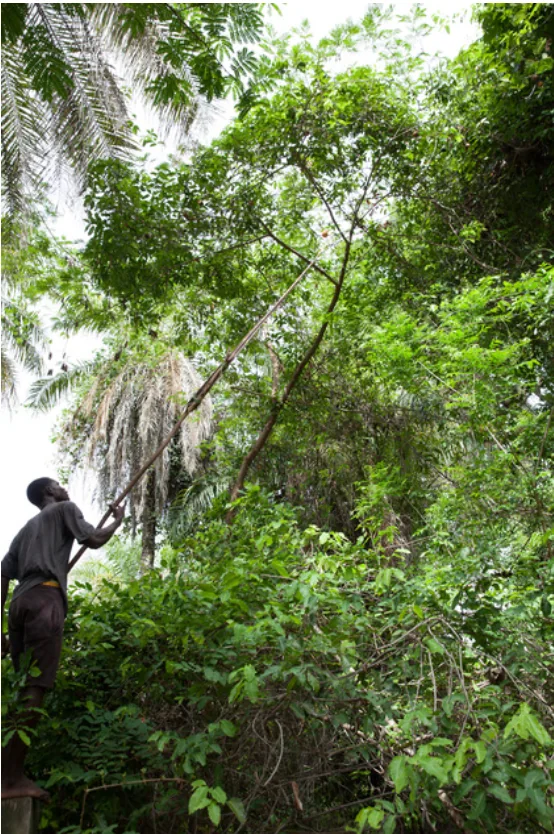
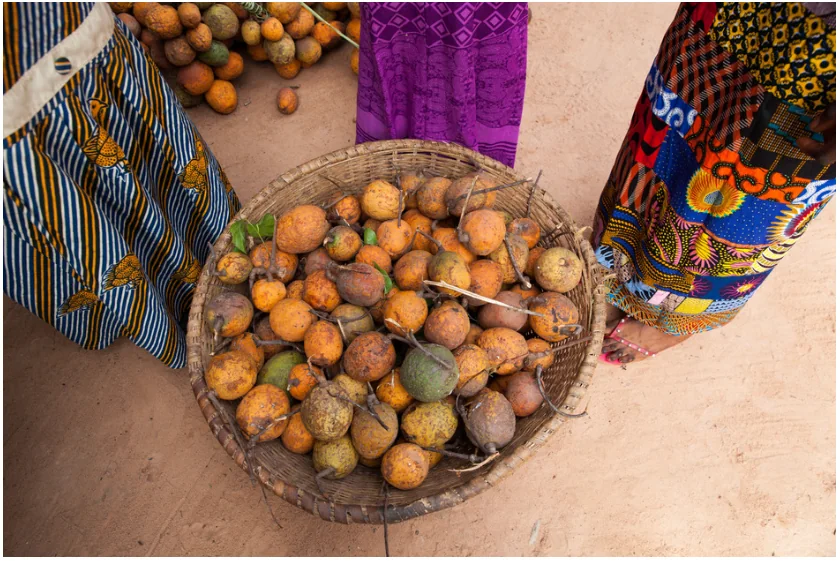
The name comes from Casamance, the region in the south of Senegal where madd grows wild. Say it out loud and it doubles: casa, the house. Casamadd, the house of madd.
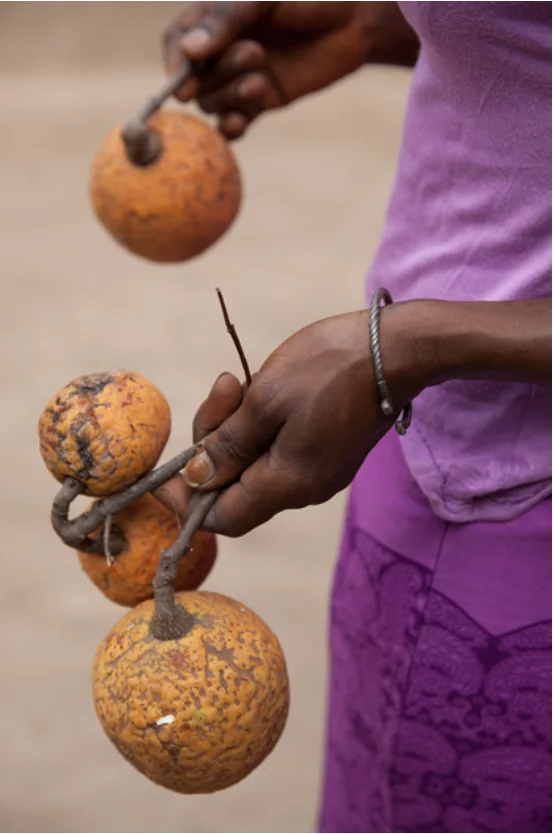
Across West Africa, Saba senegalensis carries names including Madd, Kabaa, Zaban, Laaré, Weda, Cocota, and Ɛsononantin. In Senegal, madd is sold at roadsides in plastic bags, eaten with salt, and gone by the end of the season.
East Africa has a close relative, Saba comorensis, known as bungo, mabungo, or mbungo. It is a different species in the same fruit family—a connection across Africa, not a claim that every name describes the exact same fruit.
We buy from gatherers in Casamance at a price we agree on before the season starts. The fruit is sorted, jarred, and shipped whole. Nothing is reconstituted, and nothing is flavored to taste like something else.
Today’s Casamadd fruit comes from Senegal. We bring that taste to African communities, the diaspora, and anyone in America opening a jar for the first time.
Inside the fruit
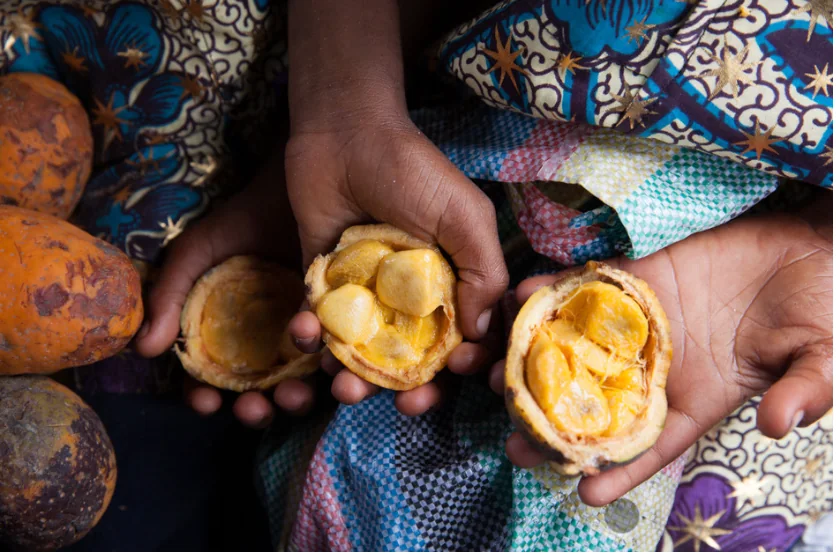
A familiar fruit, opened and shared.
Across the region
Many names. One West African fruit tradition.